Source Pool Tiles for Hotels, Schools, and Commercial Spaces
Source pool tiles from 30 verified listings featuring porcelain and ceramic materials in modern designs. Compare specifications such as 8mm thickness, matte or glossy finishes, and CE/TUV certifications for hotel, school, and commercial pool applications; compare the available evidence and request quotations based on your requirements.
Key considerations
Products List






Comprehensive Sourcing Guide
Pool Tiles Sourcing Guide
Sourcing pool tiles requires a careful balance of aesthetic preference, technical durability, and commercial viability. Buyers must navigate a market where products range from standard interior wall tiles to specialized exterior mosaic solutions designed for high-moisture environments. The decision process begins with defining the specific application, whether it is for a residential swimming pool, a commercial hotel facility, or an interior decorative feature. Understanding the distinct material properties and surface treatments available is crucial for ensuring long-term performance and visual consistency in wet areas.
This guide provides a structured approach to evaluating pool tile suppliers based on observed market data and industry standards. It focuses on verifying technical specifications, confirming compliance documentation, and understanding the commercial terms that impact total landed cost. By adhering to these procurement principles, buyers can mitigate risks associated with material failure, non-compliance, or supply chain disruptions. The following sections detail the critical verification steps and strategic considerations necessary for successful procurement in this specialized category.
Product Scope and Observed Listing Signals
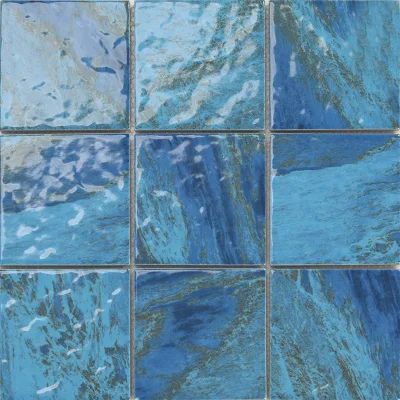
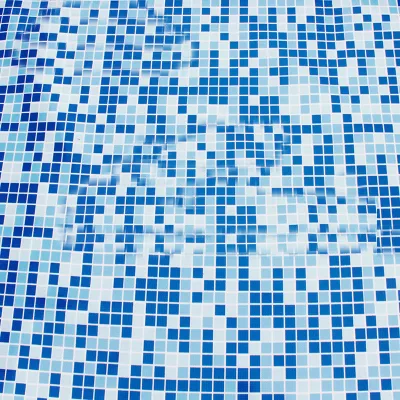
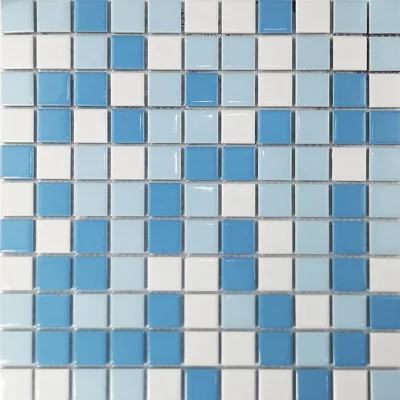
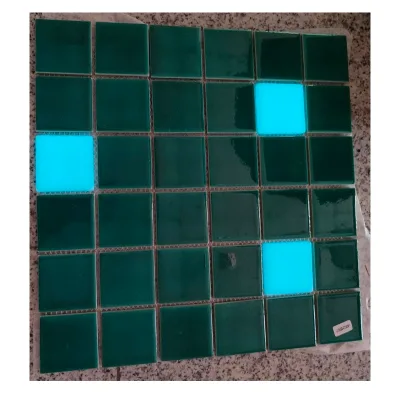
The current market for pool tiles encompasses a diverse range of product types, including porcelain and ceramic options with varying surface finishes. Observed listings indicate a strong presence of square-shaped tiles, with common sheet sizes such as 300x300mm and smaller chip sizes like 97x97mm for mosaic applications. Surface treatments vary significantly, with options ranging from matte to glossy finishes, including specific glazed tile technologies. Buyers should note that some products are explicitly marketed for both interior and exterior use, while others are specialized for swimming pools, schools, and commercial competitions.
Material composition is a primary differentiator, with porcelain and ceramic being the dominant materials cited in supplier listings. These materials are often graded as first-grade quality, indicating a focus on structural integrity and visual uniformity. Design styles observed include modern, classic, contemporary, and relaxed aesthetics, with some products featuring natural stone textures to enhance visual appeal. The availability of customization options allows buyers to tailor color mixes and specific design elements to match project requirements, ensuring that the final installation aligns with the intended architectural vision.
Technical Specifications to Verify
Verifying technical specifications is essential to ensure that the selected tiles meet the rigorous demands of aquatic environments. Key attributes to confirm include the tile thickness, which is commonly observed at 8mm, and the surface evenness, which should be strictly controlled to less than 0.5% to ensure proper installation and water flow. Buyers must also verify the production technology, such as dry press methods, which influence the density and water absorption rates of the final product. These physical properties directly impact the tile's resistance to freeze-thaw cycles, chemical exposure, and mechanical wear in high-traffic pool areas.
Packaging and logistical specifications are equally critical for preventing damage during transit and storage. Standard packaging often involves cartons, sometimes with pallets, and single package dimensions should be confirmed to optimize container loading efficiency. The gross weight per unit, typically around 10kg for standard packages, affects shipping costs and handling requirements on-site. Additionally, buyers should verify the single package size, such as 30x30x6 cm, to ensure compatibility with site logistics and storage constraints. Accurate data on these dimensions helps in planning the supply chain and minimizing handling risks.
Compliance and Safety Documentation
Compliance with international standards is non-negotiable for pool tiles, particularly those used in public or commercial facilities. Buyers must request and verify certifications such as CE, TUV, and ISO, which indicate adherence to European and global quality and safety regulations. These certifications ensure that the materials do not contain harmful substances and meet specific performance criteria for durability and safety. Without proper documentation, projects risk failing inspections, leading to costly delays and potential legal liabilities.
Safety features, such as slip resistance and chemical stability, are critical for user protection in wet environments. While specific slip ratings may vary, buyers should ensure that the selected tiles meet the relevant safety standards for pool decks and interiors. The warranty period, often exceeding five years for quality products, serves as an indicator of the manufacturer's confidence in their material's longevity. Buyers should also verify the after-sale service provisions, such as online technical support, to ensure ongoing assistance with installation and maintenance issues.
Cost Drivers and Commercial Terms
Understanding the cost structure of pool tiles involves analyzing multiple variables beyond the unit price. The minimum order quantity (MOQ) is a significant factor, with observed ranges varying from single items to bulk requirements like 100 square meters. Higher MOQs often correlate with better pricing but require careful inventory management to avoid overstocking. Buyers should also consider the impact of customization on cost, as tailored designs or specific color mixes may incur additional charges or longer lead times.
Commercial terms, including payment methods and delivery schedules, play a crucial role in cash flow management and project planning. Common payment terms include T/T, L/C, and Western Union, each with different implications for security and timing. Delivery times, typically ranging from 7 to 15 days, must be aligned with project schedules to avoid delays. Buyers should also account for the port of loading, such as Foshan, China, when calculating freight costs and insurance. Transparent communication regarding these terms helps in avoiding hidden costs and ensuring smooth transaction execution.
Supplier Qualification and Quality Control
Supplier qualification is the foundation of a reliable supply chain, requiring thorough due diligence on manufacturing capabilities and quality control processes. Buyers should verify the supplier's place of origin, with Guangdong, China, being a major hub for tile production, indicating access to established supply networks and skilled labor. Assessing the supplier's project solution capabilities, such as graphic design support, can add value by ensuring that the tiles integrate seamlessly with the overall project design. This holistic approach helps in identifying suppliers who offer more than just products.
Quality control measures should be explicitly defined in the purchase agreement to ensure consistency and reliability. Buyers should request samples to verify color accuracy, texture, and finish before placing bulk orders. Inspecting the grade of the material, typically first-grade, ensures that defects are minimized. Additionally, verifying the supplier's ability to provide consistent production batches is crucial for large projects where color matching across multiple shipments is essential. Establishing clear quality benchmarks helps in maintaining high standards and reducing the risk of receiving substandard materials.
Long-Term Procurement Checks
Long-term procurement success depends on establishing robust relationships and continuous performance monitoring. Buyers should implement regular audits of supplier performance, focusing on delivery reliability, product consistency, and responsiveness to issues. Tracking warranty claims and after-sale service effectiveness provides valuable insights into the long-term durability of the products. This data-driven approach helps in making informed decisions about future orders and identifying potential suppliers for diversification.
Sustainability and ethical sourcing practices are increasingly important in the procurement landscape. Buyers should inquire about the environmental impact of the manufacturing process, including energy usage and waste management. Verifying that the supplier adheres to responsible sourcing principles can enhance brand reputation and align with corporate social responsibility goals. By integrating these long-term checks into the procurement strategy, buyers can ensure a resilient and sustainable supply chain that supports their business objectives over time.
FAQs
What materials are used for these pool tiles?
The pool tiles are crafted from high-quality porcelain and ceramic materials. These durable options ensure long-lasting performance in aquatic environments. The products are graded as 1st Grade, guaranteeing consistent quality and reliability for both interior and exterior applications in hotels, schools, and commercial spaces.
Can I customize the design of the pool tiles?
Yes, customization is available for these pool tiles to meet specific project requirements. Buyers can select from various design styles, including modern, classic, and contemporary options. The tiles feature a natural stone texture and are available in mixed colors, allowing for unique aesthetic solutions for any pool or interior space.
What certifications do the pool tiles hold?
The pool tiles hold CE, TUV, and ISO certifications, ensuring compliance with international quality and safety standards. These credentials verify the product's reliability for use in diverse settings, including hotels, schools, and commercial pools. Buyers can trust these certified tiles for their durability and adherence to established manufacturing norms.
What is the minimum order quantity for pool tiles?
The minimum order quantity for these pool tiles is 100 square meters. This MOQ applies to standard orders, ensuring efficient production and logistics. Buyers should consider this threshold when planning procurement for large-scale projects such as hotels, schools, or commercial pools to meet the supplier's requirements effectively.
How long is the delivery time for pool tiles?
The delivery time for these pool tiles is typically 7-15 days after order confirmation. This timeframe allows for efficient processing and shipping from the port of Foshan, China. Buyers can plan their project schedules accordingly, knowing that the lead time is relatively short for bulk orders of these certified porcelain tiles.
What surface finishes are available for the pool tiles?
The pool tiles are available in both matte and glossy surface finishes. These options cater to different aesthetic preferences and functional needs for pool environments. The glazed tile technology ensures a smooth, even surface with less than 0.5% unevenness, providing a safe and visually appealing finish for interior and exterior applications.